Chronic Low Back Pain
Chronic low back pain (CLBP) is the leading cause of disability worldwide, affecting people of all ages. In 2020, more than 619 million people experienced low back pain—and that number is expected to rise. Most people will have back pain at some point in their lives. While it often improves with time, for some, the pain continues beyond the usual healing period and becomes chronic—lasting more than three months (and often several years for many) and affecting daily life.
Chronic low back pain is defined as pain in the lower back that lasts more than three months, often without a clear or serious medical cause. Low back pain can begin for many reasons, including muscle strain, joint or disc problems, or sometimes without a known trigger. Even when there is no underlying disease, the pain is very real and can persist, affecting your ability to work, take care of your family, and enjoy daily life. Chronic pain doesn’t only affect the body—it can also impact your mood, sleep, and overall well-being. It often involves a complex mix of physical, emotional, and social factors, and it’s important to know that the pain is real, and involves a mix of physical, emotional, social and spiritual factors. The World Health Organization (WHO) recommends a holistic, personcentred approach to managing chronic low back pain. This includes considering your unique needs and tailoring care accordingly. A combination of movement, education, and psychological or social support is often more helpful than relying on a single treatment.
- Ongoing or recurring pain in the lower back
- Stiffness or difficulty with movement
- Pain that may spread to the hips or legs
- Sleep disturbances due to discomfort
- Emotional impacts like frustration or low mood
Low Back Pain
Low Back Pain
Topic
Low Back Pain offers
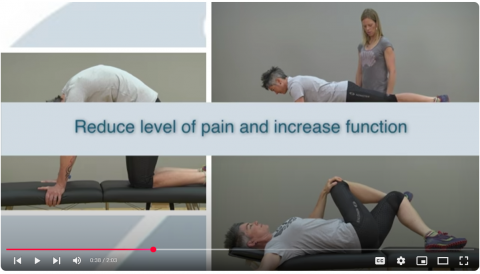
Low Back Pain Patient Exercise Videos
Low Back Pain Patient Exercise Videos
Topic
Developed by: the Canadian Chiropractic Guideline Initiative (CCGI) to help people manage low back pain. The exercises are based on expert recommendations and were demonstrated by two experienced university professors, Nadia Richer and Caroline Poulin, with narration by Dr. André Bussières. The videos were filmed and produced by the team at the Université du Québec à Trois-Rivières (UQTR).
Summary: This short exercise video series will show you how to do simple, safe, and effective exercises that can help reduce pain, improve your movement, and support your recovery. If you have ongoing (chronic) low back pain, you can follow the exercises starting at Level I (easier) and slowly work your way up to Level III (more challenging), depending on how you feel and what your symptoms are.
Low Back Pain Patient Exercise Videos offers
What are the causes of Low Back Pain?
What are the causes of Low Back Pain?
Topic
Presented by: Dr. Andrea Furlan, MD, pain specialist, Professor in the Department of Medicine at the University of Toronto and a Staff Physician and Senior Scientist at the Toronto Rehabilitation Institute.
Summary: In this 20-minute video from Dr. Furlan, you will learn what causes most cases of low back pain—and why it’s often not what people think. Dr. Furlan breaks down the difference between serious and non-serious causes, helping you understand when to seek medical attention. You'll discover how daily habits, posture, stress, and fear of movement contribute to pain, and why staying active matters. This video also teaches why imaging like MRIs is often unnecessary and how a biopsychosocial approach—considering body, mind, and lifestyle—can support recovery. Gain practical tools and confidence to better manage and prevent low back pain.
What are the causes of Low Back Pain? offers

Yoga for chronic pain
Yoga for chronic pain
Topic
Pain
Provided by: Yoga with Adriene. Yoga With Adriene is a popular YouTube channel led by Adriene Mishler, offering accessible, inclusive, and gently guided yoga practices for people of all levels to support physical and mental well-being.
Summary: In this 25-minute session you will learn how gentle yoga can help ease chronic pain and tension—especially in the back, shoulders, and hips. Adriene guides you through soothing movements and poses that:
- Release physical tightness and promote flexibility.
- Encourage mindful breathing to calm the nervous system.
- Improve body awareness for better posture and movement habits.
- Offer modifications to suit all levels and comfort.
- Cultivate a sense of ease and relaxation in daily life.
Expect a blend of stretching, gentle twists, and restorative holds—all designed to support long-term pain management and well-being. Whether you're starting your yoga journey or coping with chronic pain, this practice will leave you feeling grounded, relieved, and more connected to your body.
Yoga for chronic pain offers
Videos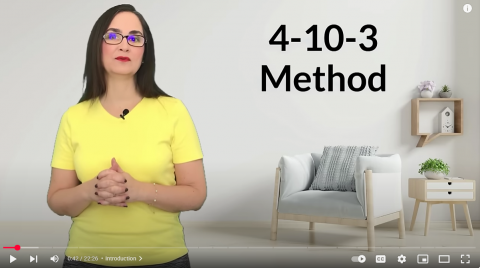
Learn Ten Home-Based Exercises and Pain Relief Positions for Lumbar Spinal Stenosis
Learn Ten Home-Based Exercises and Pain Relief Positions for Lumbar Spinal Stenosis
Topic
Presented by: Dr. Andrea Furlan, MD, pain specialist, Professor in the Department of Medicine at the University of Toronto and a Staff Physician and Senior Scientist at the Toronto Rehabilitation Institute.
Summary: In this 20-minute video, Dr. Andrea Furlan explains spinal stenosis—its causes, symptoms, and how it affects mobility. She demonstrates 10 home-based exercises and pain-relief positions to help manage discomfort and improve quality of life. Dr. Furlan emphasizes the importance of staying active and provides practical, evidence-based strategies to alleviate pain and prevent flare-ups. Whether you're new to exercise or managing chronic pain, this session offers accessible techniques to incorporate into your daily routine.
This video is ideal for individuals seeking non-invasive ways to manage spinal stenosis and enhance their physical well-being.
Learn Ten Home-Based Exercises and Pain Relief Positions for Lumbar Spinal Stenosis offers
Videos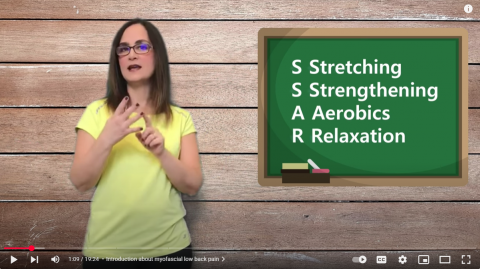
Exercises for Low Back Pain Caused by Trigger Points of Myofascial Pain Syndrome
Exercises for Low Back Pain Caused by Trigger Points of Myofascial Pain Syndrome
Topic
Presented by: Dr. Andrea Furlan, MD, pain specialist, Professor in the Department of Medicine at the University of Toronto and a Staff Physician and Senior Scientist at the Toronto Rehabilitation Institute.
Summary: In this 20-minute video, Dr. Andrea Furlan demonstrates a series of SSAR (Self-Stretching, Strengthening, and Active Release) exercises designed to alleviate low back pain stemming from myofascial trigger points of lumbar spine. She explains how these trigger points can contribute to discomfort and provides step-by-step guidance on exercises that can be performed at home to target and release tension in the affected area. This practical session aims to empower individuals with tools to manage and reduce their pain, enhancing mobility and overall quality of life.
Exercises for Low Back Pain Caused by Trigger Points of Myofascial Pain Syndrome offers

Back Care Canada - Treatment Known to Work
Back Care Canada - Treatment Known to Work
Topic
Provided by: Back Care Canada, by the Canadian Spine Society, is a trusted resource providing evidence-based information and guidance to help Canadians understand, prevent, and manage spine and back health issues.
Summary: This article explains why staying active is important for managing low back pain and how moving around helps recovery more than staying in bed. It shows that most back pain is not caused by serious problems, which can help reduce worry. The article covers how healthcare providers can guide people toward effective ways to manage pain and highlights the value of learning and taking care of oneself. You will find practical tips for staying informed, building helpful habits, and feeling more confident in your recovery journey.
Back Care Canada - Treatment Known to Work offers

Back Care Canada - Back Pain Stories
Back Care Canada - Back Pain Stories
Topic
Provided by: Back Care Canada, by the Canadian Spine Society, is a trusted resource providing evidence-based information and guidance to help Canadians understand, prevent, and manage spine and back health issues.
Summary: In this article, you will explore six different patient experiences that show the many ways low back pain can appear. These stories highlight various causes, symptoms, and coping strategies to help you better understand your own condition. By reading these personal accounts, you can find similarities with your experience and learn about potential treatments and ways to manage your pain. This resource is designed to give you knowledge and confidence so you can make informed choices and take an active role in your recovery journey.
Back Care Canada - Back Pain Stories offers

Low Back Pain by Pain U Online
Low Back Pain by Pain U Online
Topic

Developed by: The Toronto Academic Pain Medicine Institute (TAPMI).
Summary: Low back pain is one of the most common reasons people seek medical care. While it can be distressing, most cases are not caused by serious conditions. By completing this educational module from the Toronto Academic Pain Medicine Institute, you will learn how chronic low back pain is diagnosed, the role of physical exams, why imaging is often not needed, and how to recognize when further testing is appropriate. You will also explore the importance of active self-management and strategies to support recovery.
Low Back Pain by Pain U Online offers
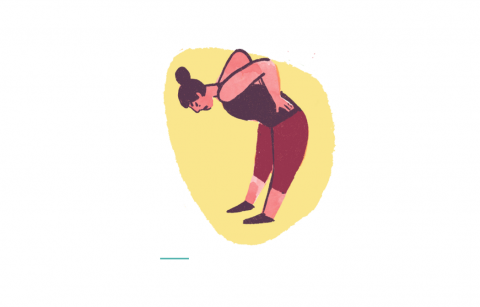
Treating Lower-Back Pain: How much bed rest is too much?
Treating Lower-Back Pain: How much bed rest is too much?
Topic

Developed by: Choosing Wisely Canada, a national campaign that helps clinicians and patients make informed decisions about tests, treatments, and procedures based on evidence and necessity.
Summary: In this pamphlet, you will discover why extended bed rest slows recovery and how gentle movement and exercise can help relieve pain. Learn evidence-based strategies for treating lower back pain safely and effectively.
Treating Lower-Back Pain: How much bed rest is too much? offers
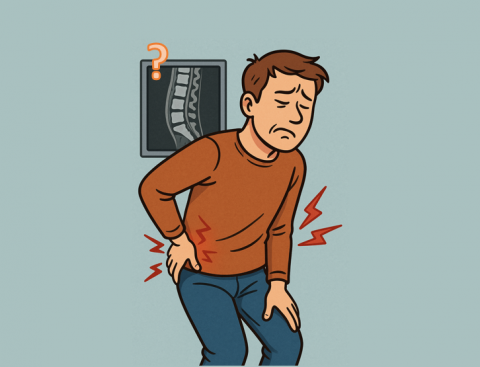
Low Back Pain: Should I Have an MRI?
Low Back Pain: Should I Have an MRI?
Topic

Developed by: HealthLinkBC, a government-supported resource that provides trusted health information and advice to help British Columbians make informed decisions about their health and care.
Summary: This HealthLink BC webpage is a practical decision aid to help you consider whether to have an MRI for low back pain. It presents clear, evidence-based facts about what MRIs can and cannot show, outlines when they are useful, and explains what to expect during the procedure. You will find interactive tools like a quiz to explore your thoughts and concerns, a fact check to test your understanding, and a summary to guide your next steps. This resource is designed to support informed, personal decision-making in partnership with your healthcare provider.
Low Back Pain: Should I Have an MRI? offers
Back Care Canada - Treatment Options
Back Care Canada - Treatment Options
Topic
Provided by: Back Care Canada, by the Canadian Spine Society, is a trusted resource providing evidence-based information and guidance to help Canadians understand, prevent, and manage spine and back health issues.
Summary: The Treatment Options section of Back Care Canada offers evidence-based guidance for managing low back and leg pain. It covers a range of approaches, from staying active and avoiding prolonged bed rest to understanding when to seek professional care. You will find 8 articles covering:
- Staying active and avoiding bed rest
- Heat, ice, and pain relief
- Back pain and medication
- Surgery for back pain
- Spinal injections and other procedures
- Alternative treatments and therapies
- Understanding your healthcare providers
- Managing expectations and recovery
Together, these resources help you make informed decisions about your treatment options.
Back Care Canada - Treatment Options offers
The Mysterious Science of Pain
The Mysterious Science of Pain
Topic
Pain
Presented by: Dr. Joshua Pate, PhD MRes MPhysio, directed by Artrake Studio. Dr. Pate is a pain scientist, children's book author, clinician and educator from Sydney, Australia.
Summary: In 1995, the British Medical Journal published a report about a builder who accidentally jumped onto a nail, which pierced straight through his steel-toed boot. He was in such agonizing pain that any movement was unbearable. But when the doctors took off his boot, they discovered that the nail had never touched his foot at all. What’s going on? Joshua W. Pate investigates the experience of pain.
The Mysterious Science of Pain offers
Videos
My SleepWell
My SleepWell
Topic
Sleep
Developed by: Drs. David Gardner and Andrea Murphy from Dalhousie University, Halifax, Nova Scotia, Canada and contributed to by psychologists, psychiatrists, family doctors, pharmacists, people who live with insomnia, researchers, and sleep experts to make sure that our recommendations and content are accurate and practical.
Summary: Sleepwell has two main goals: 1) to help people with insomnia get their sleep back without medications; and 2) to help people stop taking sleeping pills safely and effectively. Sleepwell recommends CBTi (cognitive behavioural therapy for insomnia) because it has excellent evidence that it works. The challenge for many is getting access to CBTi. This is where Sleepwell comes in. The website includes a highly scrutinized short list of recommended CBTi resources to help get you started without delay. Their recommendations take a self-help approach to CBTi rather than requiring that a therapist be involved, which is also a great option but not available to most people.
My SleepWell offers
Articles Tools and Resources
Well Central
Well Central
Topic
Mood Substance Use
Developed by: The Canadian Mental Health Association (CMHA).
Summary: Well Central is an accessible and completely free virtual Recovery College. Well Central offers interactive courses that empower individuals to take control of their mental health and well-being. Well Central offers a tailored online journey providing support, resources and guided courses, valuing each visitor’s unique experience. Courses include:
- Well-being course;
- Recovery 101;
- Overcoming Loneliness and Isolation;
- Developing Self Compassion;
- Postpartum Emotional and Mental Health.
Well Central offers
Self-directed CoursesDon't see what you're looking for?
We routinely add new resources to the Portal. Stay up-to-date through our monthly newsletter!
Discover Portal Services



About
Chronic low back pain is defined as pain in the lower back that lasts more than three months, often without a clear or serious medical cause. Low back pain can begin for many reasons, including muscle strain, joint or disc problems, or sometimes without a known trigger. Even when there is no underlying disease, the pain is very real and can persist, affecting your ability to work, take care of your family, and enjoy daily life. Chronic pain doesn’t only affect the body—it can also impact your mood, sleep, and overall well-being. It often involves a complex mix of physical, emotional, and social factors, and it’s important to know that the pain is real, and involves a mix of physical, emotional, social and spiritual factors. The World Health Organization (WHO) recommends a holistic, personcentred approach to managing chronic low back pain. This includes considering your unique needs and tailoring care accordingly. A combination of movement, education, and psychological or social support is often more helpful than relying on a single treatment.
Symptoms
- Ongoing or recurring pain in the lower back
- Stiffness or difficulty with movement
- Pain that may spread to the hips or legs
- Sleep disturbances due to discomfort
- Emotional impacts like frustration or low mood
Resources for Chronic Low Back Pain
Low Back Pain
Low Back Pain
Topic
Low Back Pain offers
Low Back Pain Patient Exercise Videos
Low Back Pain Patient Exercise Videos
Topic
Developed by: the Canadian Chiropractic Guideline Initiative (CCGI) to help people manage low back pain. The exercises are based on expert recommendations and were demonstrated by two experienced university professors, Nadia Richer and Caroline Poulin, with narration by Dr. André Bussières. The videos were filmed and produced by the team at the Université du Québec à Trois-Rivières (UQTR).
Summary: This short exercise video series will show you how to do simple, safe, and effective exercises that can help reduce pain, improve your movement, and support your recovery. If you have ongoing (chronic) low back pain, you can follow the exercises starting at Level I (easier) and slowly work your way up to Level III (more challenging), depending on how you feel and what your symptoms are.
Low Back Pain Patient Exercise Videos offers
What are the causes of Low Back Pain?
What are the causes of Low Back Pain?
Topic
Presented by: Dr. Andrea Furlan, MD, pain specialist, Professor in the Department of Medicine at the University of Toronto and a Staff Physician and Senior Scientist at the Toronto Rehabilitation Institute.
Summary: In this 20-minute video from Dr. Furlan, you will learn what causes most cases of low back pain—and why it’s often not what people think. Dr. Furlan breaks down the difference between serious and non-serious causes, helping you understand when to seek medical attention. You'll discover how daily habits, posture, stress, and fear of movement contribute to pain, and why staying active matters. This video also teaches why imaging like MRIs is often unnecessary and how a biopsychosocial approach—considering body, mind, and lifestyle—can support recovery. Gain practical tools and confidence to better manage and prevent low back pain.
What are the causes of Low Back Pain? offers
Yoga for chronic pain
Yoga for chronic pain
Topic
Pain
Provided by: Yoga with Adriene. Yoga With Adriene is a popular YouTube channel led by Adriene Mishler, offering accessible, inclusive, and gently guided yoga practices for people of all levels to support physical and mental well-being.
Summary: In this 25-minute session you will learn how gentle yoga can help ease chronic pain and tension—especially in the back, shoulders, and hips. Adriene guides you through soothing movements and poses that:
- Release physical tightness and promote flexibility.
- Encourage mindful breathing to calm the nervous system.
- Improve body awareness for better posture and movement habits.
- Offer modifications to suit all levels and comfort.
- Cultivate a sense of ease and relaxation in daily life.
Expect a blend of stretching, gentle twists, and restorative holds—all designed to support long-term pain management and well-being. Whether you're starting your yoga journey or coping with chronic pain, this practice will leave you feeling grounded, relieved, and more connected to your body.
Yoga for chronic pain offers
Videos
Learn Ten Home-Based Exercises and Pain Relief Positions for Lumbar Spinal Stenosis
Learn Ten Home-Based Exercises and Pain Relief Positions for Lumbar Spinal Stenosis
Topic
Presented by: Dr. Andrea Furlan, MD, pain specialist, Professor in the Department of Medicine at the University of Toronto and a Staff Physician and Senior Scientist at the Toronto Rehabilitation Institute.
Summary: In this 20-minute video, Dr. Andrea Furlan explains spinal stenosis—its causes, symptoms, and how it affects mobility. She demonstrates 10 home-based exercises and pain-relief positions to help manage discomfort and improve quality of life. Dr. Furlan emphasizes the importance of staying active and provides practical, evidence-based strategies to alleviate pain and prevent flare-ups. Whether you're new to exercise or managing chronic pain, this session offers accessible techniques to incorporate into your daily routine.
This video is ideal for individuals seeking non-invasive ways to manage spinal stenosis and enhance their physical well-being.
Learn Ten Home-Based Exercises and Pain Relief Positions for Lumbar Spinal Stenosis offers
Videos
Exercises for Low Back Pain Caused by Trigger Points of Myofascial Pain Syndrome
Exercises for Low Back Pain Caused by Trigger Points of Myofascial Pain Syndrome
Topic
Presented by: Dr. Andrea Furlan, MD, pain specialist, Professor in the Department of Medicine at the University of Toronto and a Staff Physician and Senior Scientist at the Toronto Rehabilitation Institute.
Summary: In this 20-minute video, Dr. Andrea Furlan demonstrates a series of SSAR (Self-Stretching, Strengthening, and Active Release) exercises designed to alleviate low back pain stemming from myofascial trigger points of lumbar spine. She explains how these trigger points can contribute to discomfort and provides step-by-step guidance on exercises that can be performed at home to target and release tension in the affected area. This practical session aims to empower individuals with tools to manage and reduce their pain, enhancing mobility and overall quality of life.
Exercises for Low Back Pain Caused by Trigger Points of Myofascial Pain Syndrome offers
Back Care Canada - Treatment Known to Work
Back Care Canada - Treatment Known to Work
Topic
Provided by: Back Care Canada, by the Canadian Spine Society, is a trusted resource providing evidence-based information and guidance to help Canadians understand, prevent, and manage spine and back health issues.
Summary: This article explains why staying active is important for managing low back pain and how moving around helps recovery more than staying in bed. It shows that most back pain is not caused by serious problems, which can help reduce worry. The article covers how healthcare providers can guide people toward effective ways to manage pain and highlights the value of learning and taking care of oneself. You will find practical tips for staying informed, building helpful habits, and feeling more confident in your recovery journey.
Back Care Canada - Treatment Known to Work offers
Back Care Canada - Back Pain Stories
Back Care Canada - Back Pain Stories
Topic
Provided by: Back Care Canada, by the Canadian Spine Society, is a trusted resource providing evidence-based information and guidance to help Canadians understand, prevent, and manage spine and back health issues.
Summary: In this article, you will explore six different patient experiences that show the many ways low back pain can appear. These stories highlight various causes, symptoms, and coping strategies to help you better understand your own condition. By reading these personal accounts, you can find similarities with your experience and learn about potential treatments and ways to manage your pain. This resource is designed to give you knowledge and confidence so you can make informed choices and take an active role in your recovery journey.
Back Care Canada - Back Pain Stories offers
Low Back Pain by Pain U Online
Low Back Pain by Pain U Online
Topic
Developed by: The Toronto Academic Pain Medicine Institute (TAPMI).
Summary: Low back pain is one of the most common reasons people seek medical care. While it can be distressing, most cases are not caused by serious conditions. By completing this educational module from the Toronto Academic Pain Medicine Institute, you will learn how chronic low back pain is diagnosed, the role of physical exams, why imaging is often not needed, and how to recognize when further testing is appropriate. You will also explore the importance of active self-management and strategies to support recovery.
Low Back Pain by Pain U Online offers
Treating Lower-Back Pain: How much bed rest is too much?
Treating Lower-Back Pain: How much bed rest is too much?
Topic
Developed by: Choosing Wisely Canada, a national campaign that helps clinicians and patients make informed decisions about tests, treatments, and procedures based on evidence and necessity.
Summary: In this pamphlet, you will discover why extended bed rest slows recovery and how gentle movement and exercise can help relieve pain. Learn evidence-based strategies for treating lower back pain safely and effectively.
Treating Lower-Back Pain: How much bed rest is too much? offers
Low Back Pain: Should I Have an MRI?
Low Back Pain: Should I Have an MRI?
Topic
Developed by: HealthLinkBC, a government-supported resource that provides trusted health information and advice to help British Columbians make informed decisions about their health and care.
Summary: This HealthLink BC webpage is a practical decision aid to help you consider whether to have an MRI for low back pain. It presents clear, evidence-based facts about what MRIs can and cannot show, outlines when they are useful, and explains what to expect during the procedure. You will find interactive tools like a quiz to explore your thoughts and concerns, a fact check to test your understanding, and a summary to guide your next steps. This resource is designed to support informed, personal decision-making in partnership with your healthcare provider.
Low Back Pain: Should I Have an MRI? offers
Back Care Canada - Treatment Options
Back Care Canada - Treatment Options
Topic
Provided by: Back Care Canada, by the Canadian Spine Society, is a trusted resource providing evidence-based information and guidance to help Canadians understand, prevent, and manage spine and back health issues.
Summary: The Treatment Options section of Back Care Canada offers evidence-based guidance for managing low back and leg pain. It covers a range of approaches, from staying active and avoiding prolonged bed rest to understanding when to seek professional care. You will find 8 articles covering:
- Staying active and avoiding bed rest
- Heat, ice, and pain relief
- Back pain and medication
- Surgery for back pain
- Spinal injections and other procedures
- Alternative treatments and therapies
- Understanding your healthcare providers
- Managing expectations and recovery
Together, these resources help you make informed decisions about your treatment options.
Back Care Canada - Treatment Options offers
Related resources to Chronic Low Back Pain
The Mysterious Science of Pain
The Mysterious Science of Pain
Topic
Pain
Presented by: Dr. Joshua Pate, PhD MRes MPhysio, directed by Artrake Studio. Dr. Pate is a pain scientist, children's book author, clinician and educator from Sydney, Australia.
Summary: In 1995, the British Medical Journal published a report about a builder who accidentally jumped onto a nail, which pierced straight through his steel-toed boot. He was in such agonizing pain that any movement was unbearable. But when the doctors took off his boot, they discovered that the nail had never touched his foot at all. What’s going on? Joshua W. Pate investigates the experience of pain.
The Mysterious Science of Pain offers
Videos
My SleepWell
My SleepWell
Topic
Sleep
Developed by: Drs. David Gardner and Andrea Murphy from Dalhousie University, Halifax, Nova Scotia, Canada and contributed to by psychologists, psychiatrists, family doctors, pharmacists, people who live with insomnia, researchers, and sleep experts to make sure that our recommendations and content are accurate and practical.
Summary: Sleepwell has two main goals: 1) to help people with insomnia get their sleep back without medications; and 2) to help people stop taking sleeping pills safely and effectively. Sleepwell recommends CBTi (cognitive behavioural therapy for insomnia) because it has excellent evidence that it works. The challenge for many is getting access to CBTi. This is where Sleepwell comes in. The website includes a highly scrutinized short list of recommended CBTi resources to help get you started without delay. Their recommendations take a self-help approach to CBTi rather than requiring that a therapist be involved, which is also a great option but not available to most people.
My SleepWell offers
Articles Tools and Resources
Well Central
Well Central
Topic
Mood Substance Use
Developed by: The Canadian Mental Health Association (CMHA).
Summary: Well Central is an accessible and completely free virtual Recovery College. Well Central offers interactive courses that empower individuals to take control of their mental health and well-being. Well Central offers a tailored online journey providing support, resources and guided courses, valuing each visitor’s unique experience. Courses include:
- Well-being course;
- Recovery 101;
- Overcoming Loneliness and Isolation;
- Developing Self Compassion;
- Postpartum Emotional and Mental Health.